
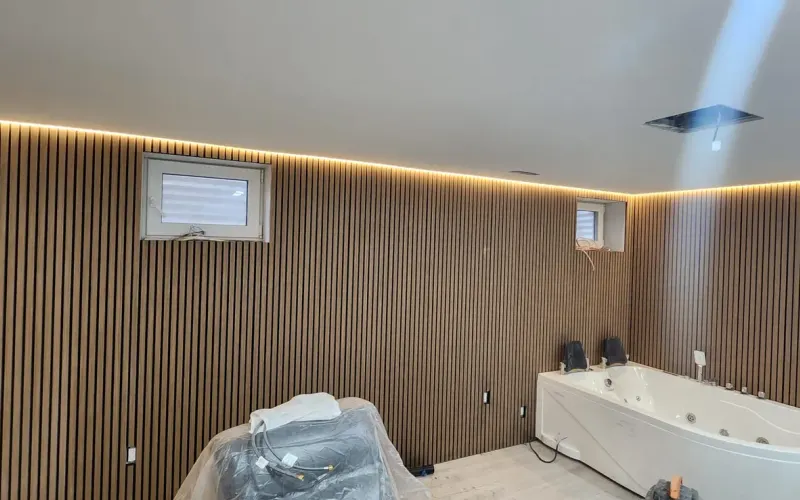
Basement Finishing
Basement apartment permit in Toronto: what the drawings have to show
What Toronto asks for in a basement apartment permit: the 45% zoning rule, each drawing sheet and form, and what gets measured in the house first.
Read the guide
What licensed, insured and bonded mean for a renovation contractor in Toronto, which document proves each one, and where to check it yourself for free.
General Contracting · October 12, 2026 · 8 min read
"Licensed, insured and bonded" is lettered on a lot of trucks in Toronto. The three words point to separate things from separate issuers, and only some of them apply to a house renovation. A licensed, insured, bonded contractor should be able to hand you a document for each word, and most of those documents can be checked by anyone, free, in a few minutes.
This guide takes the words one at a time: what each should mean for a renovation in Toronto and the GTA, which paper stands behind it, and where you look it up before you sign.
Licensed means a public body has given the business, or one trade inside the job, permission to do that work. Insured covers two different things: liability insurance bought from an insurer, and workplace coverage for the crew through the WSIB. Bonded means a surety company has put its own money behind one named contract.
| The claim | The paper behind it | Who issues it | Where you check |
|---|---|---|---|
| Licensed to renovate in Toronto | A building renovator licence with a licence number | City of Toronto | The City's Business Licence Lookup |
| Licensed for the electrical work | The electrical contractor's ECRA/ESA licence number | Electrical Safety Authority | ESA's Find a Contractor tool |
| Insured for damage and injury to others | A certificate of liability insurance | The contractor's insurer or broker | A call or email to the broker named on it |
| Workers are covered | A WSIB clearance number | Workplace Safety and Insurance Board | WSIB's online clearance check |
| Bonded | A bond that names your contract | A surety company | The surety named on the bond |
Five rows, four issuers. That is why the phrase on the truck settles nothing by itself: you need to know which of the five the contractor is talking about.
Inside the city, yes. The City of Toronto requires a building renovator licence from every business that repairs or renovates buildings, and from any business that advertises renovation services. Some trades inside the job carry a licence of their own from a provincial body, and the electrical one is the easiest for a homeowner to look up.
The City's building renovator page lists what an applicant hands in, including a criminal record check, and says the tradesperson has to pass a trade examination. The licence expires every year on the anniversary of the day it was first issued, and one that is not renewed on time is cancelled. A number that was good when the van was lettered may have lapsed since.
Ask for the licence number and type it into the City's Business Licence Lookup, which also searches by business name. This licence is Toronto's. If your house is in Vaughan, Markham, Richmond Hill or Mississauga, ask that municipality's licensing office what it requires of a renovator working there.
A general contractor brings in other trades, and "licensed" has to hold for them too. The Electrical Safety Authority's advice is to hire a Licensed Electrical Contractor for any electrical work in a home. Its licence number, written ECRA/ESA, belongs on the electrician's truck, business card and estimate, and ESA's Find a Contractor tool confirms it. When the work is finished, the electrical contractor can give you a Certificate of Acceptance from ESA. Keep it with the house papers.
When a general contractor runs the project, ESA tells homeowners to make sure the electrician that contractor brings is licensed this way. So ask your contractor for the electrical contractor's name and number as well as their own. On our projects the electrical work goes to a Licensed Electrical Contractor and gas work to a TSSA-registered fuel contractor, as set out on our general contracting page.
A WSIB clearance shows that a business is registered with Ontario's Workplace Safety and Insurance Board and is up to date with its premiums and reporting. It concerns the people who work in your house, and it is separate from liability insurance. Ontario's guide to starting a home renovation says the workers need this coverage, with some exceptions, and tells you to check with the WSIB.
Liability insurance is what pays when the contractor's work damages your house, a neighbour's property or a condo building, or injures someone who is not on the crew. The certificate is a one-page summary written by the insurer or broker. Read it for these six things before you file it away.
A certificate is a snapshot of one day. A short email to the broker named on it, asking them to confirm the policy is in force, turns it into something you can rely on. Before a large renovation, also tell your own home insurer what is planned and ask what it wants to see from the contractor.

A bond is a written promise from a third company, the surety, to cover the owner's loss if the contractor does not do what the contract says. It is written for a named contract and a named owner. A contractor who is bonded for someone else's project has given you nothing, so the word matters only if there is a bond with your job on it.
The Surety Association of Canada describes contract surety bonds as protection for the owner against financial loss when a contractor fails to fulfil the terms of the contract, and notes that bonds may be issued only by companies licensed to do so. If a contractor tells you they are bonded, one question sorts it out:
"Which surety wrote the bond, which contract does it name, and can I have a copy that shows my address?"
If the answer is a bond for the business in general, or a bond the contractor cannot produce, treat the word as lettering. If your project is large enough that you want one, raise it before the price is set, because the bond is arranged for that contract.
Send one email asking for the numbers, then look each one up yourself. Every lookup below is free and none needs an account. Doing them in this order means the slowest reply, the broker's, is already on its way while you do the rest.
A mismatch in step seven is the one worth a phone call. Often it is a trade name beside a numbered company, and the contractor can explain it in a sentence. If they cannot, you have learned something before any money moved.
Whether the work will be good. A licence, a clearance and a certificate show that a business is allowed to work, has registered its crew and can pay for damage. They are silent on how a shower is waterproofed or how a change is handled in week three.
For that you need the other half of the checking: finished rooms you can look at, such as those in our project gallery, a scope you can read line by line (see how to tell a good contractor quote from a bad one), and a contract that says who is responsible for what (see what turnkey should mean). Where a permit is involved, our Toronto renovation permits guide covers who applies.
Art Style Construction takes on home renovations, kitchens and bathrooms across Toronto and the GTA. When you book an on-site consultation, bring the list from this guide and ask us for each item on it, the same as you would ask anyone else.
Yes for work inside the city. The City of Toronto requires a building renovator licence from businesses that repair or renovate buildings, and from those that advertise renovation services. The licence expires each year on the anniversary of its issue, so ask for the number and look it up. Outside Toronto, ask the local municipality what it requires.
The WSIB says a clearance certificate is not required when a contractor is hired for home repairs or renovations by the home's resident. Checking is still useful: it takes a couple of minutes on the WSIB's online services and shows whether the business is registered and up to date.
Up to 90 days from the date it is issued. The WSIB says most clearances expire on the 20th of February, May, August and November. If your job runs past the expiry date, ask for the new number when the old one runs out.
A bond is a surety company's written promise to cover the owner's loss if the contractor does not fulfil a contract. It is tied to a named contract and a named owner, so ask which surety wrote it and whether it names your project. A bond for another job does not protect yours.
Basement Finishing
What Toronto asks for in a basement apartment permit: the 45% zoning rule, each drawing sheet and form, and what gets measured in the house first.
Read the guide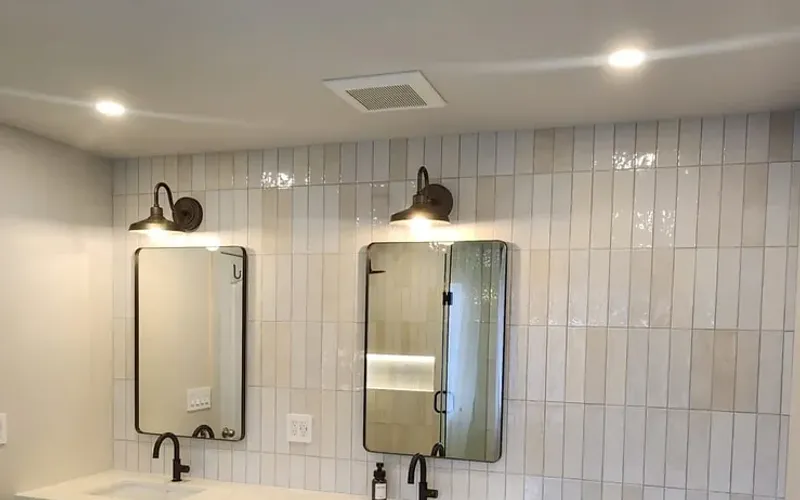
Bathroom Renovations
How many CFM a bathroom exhaust fan needs, why it moves less air than the box says, where the duct must end, and how to test the fan you have now.
Read the guide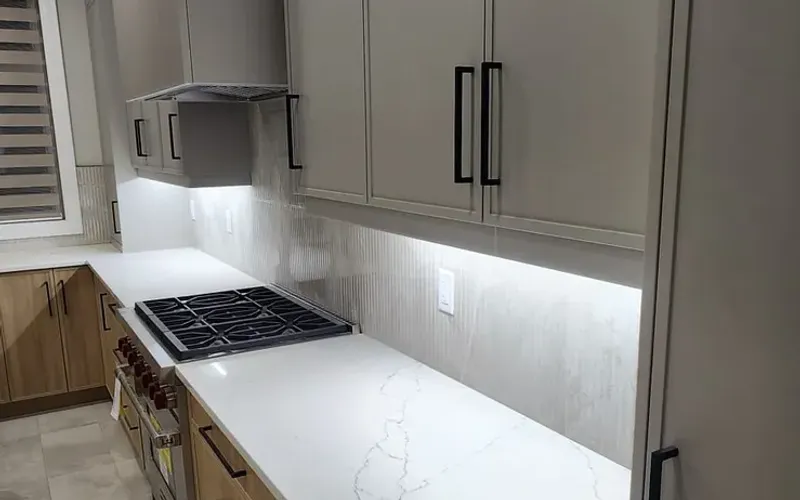
Kitchen Renovations
How to decide whether to paint, reface or replace kitchen cabinets: what to check inside each box, what every finding means, and what moves when boxes come out.
Read the guide
We will walk the space with you, tell you what it actually takes, and put it in writing.